


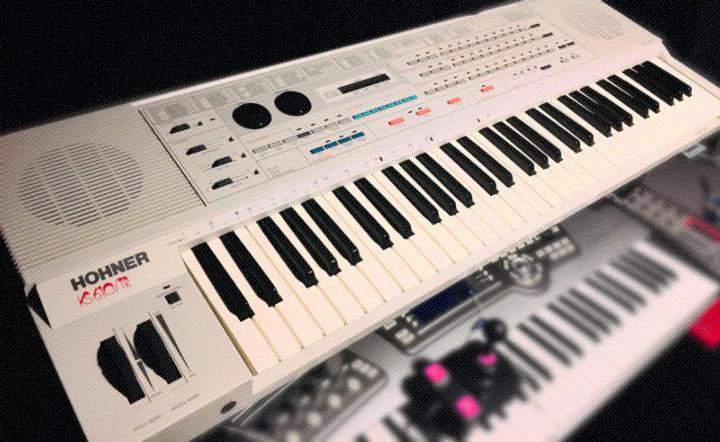
3 Home Keyboards that are Actually AWESOME Synths!
Not somewhere you usually look...6 Instruments Fatally Flawed at Release
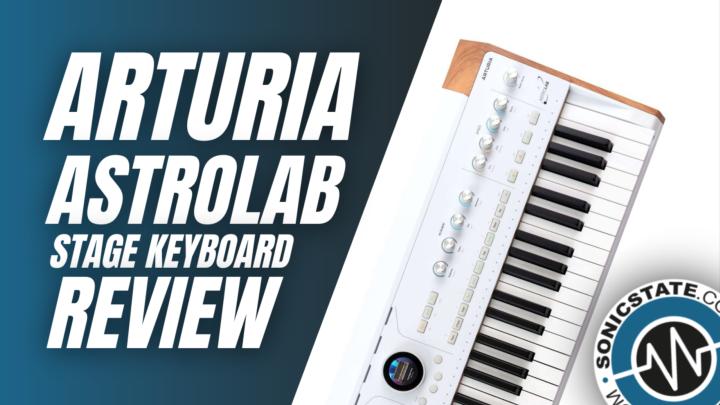
These synths took a little time to reach their potentialSonic LAB: Arturia Astrolab - New Concept Stage Keyboard
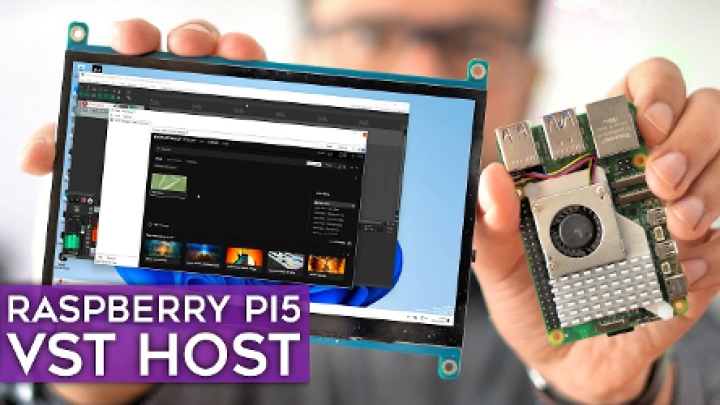
Play V-collection sounds in standalone5 Firmware Updates that Totally Changed the Game
Revisions that turned synths into brand new machines


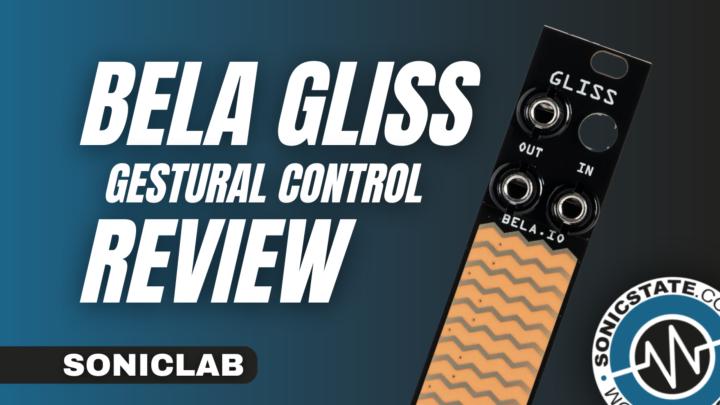
LATEST NEWS


Compact Expressive MIDI Controller
Topo T16 is an expressive MIDI controller with pressure-sensitive keys
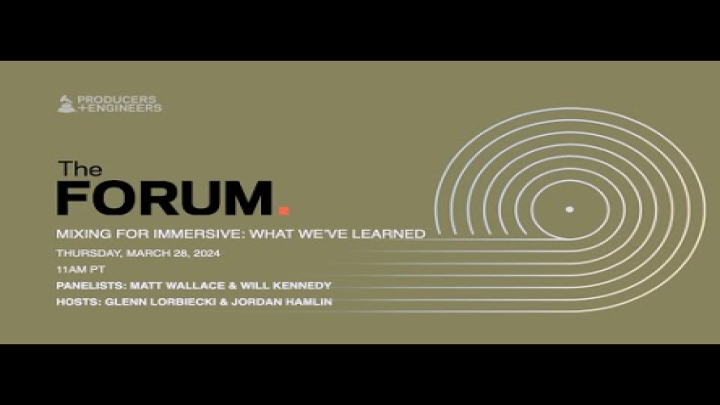
Mixing For Atmos – What We've Learned
Recording Academy Producers & Engineers Wing introduces The Forum online events with an inaugural webcast

REVIEWS & PODCAST


MOST READ - this week



Atmospheric Sounds Of Central America
Best Service releases Quetzal - The Sounds of Ancient Mesoamerica by Eduardo Tarilonte
MISS SOMETHING?


Want Our Newsletter?
More...
Aodyo Loom

With a lot of utillity

Pittsburgh Modular's latest release
 Is the Korg Drumlogue worth it in 2024?
Developments for Korg's instrument have been slow but promising.
Copyright Sonic State Ltd © 1995-2024. All rights reserved.
Reproduction in whole or in part in any form or medium without express written permission from Sonic State is prohibited.