|
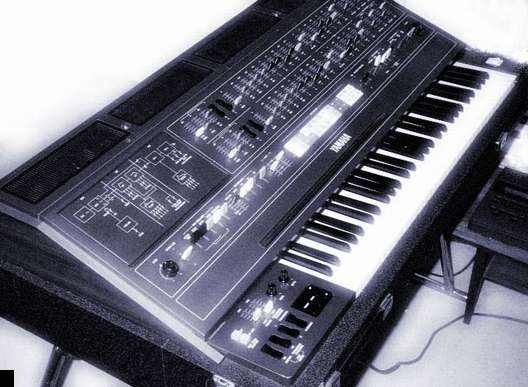
I owned a CS80 for about seven years, and after an initial service, never had any problems with it.
It is a wonderful machine, but I think in some ways I am better off without it. For instance, Yamaha in the UK have now almost run out of parts and there are no plans to make new chips. I felt that there was a sword hanging over the CS80 and I didn't want to be there when it fell.
The sound of the beast is tremendous, BUT quite a few of the presets are possibly of limited use. Take the 'electric piano' sound. For a start, it is much quieter than some of the other presets, and is also similar to the guitar preset - a waste of circuit space.
There are a few other synths now that can recreate the CS80 sound. I know this because I've searched very hard for a replacement since I sold mine. What you have to do - and it's hard - is stop seeing the CS in terms of its external appearance and keyboard, and think about the chips inside. All synths ultimately are a collection of chips and ways to control them, and the CS had more chips and controllers than most. The point is, modern synths have better chips!
I think the Andromeda, Waldorf Q, Nord Lead 3 and new Virus KC are all fine substitutes for the CS80 - especially the Andromeda with its ribbon and CS80 presets.
I will always love the CS80, but you have to be careful, because the synth can turn into an enormous burden. The sheer weight of it is a sick joke, you have to be careful to ventilate it properly, and as for playing live... forget it.
The sad truth of this synth is that Yamaha could and should have built a successor to it. The DX1 was a successor, but it was unaffordable. However, here's an intriguing thought for CS80 fans: it was designed by Phil Nishimoto, who co-designed the DX7. The last synth he worked on for Yamaha was the FS1r, on which he worked for TEN YEARS! Now, if the man who designed the CS80 puts that much time and care into an instrument, you know it's got to be special. And it doesn't weigh 220 pounds!
Remember - the magic is in the chips.
|